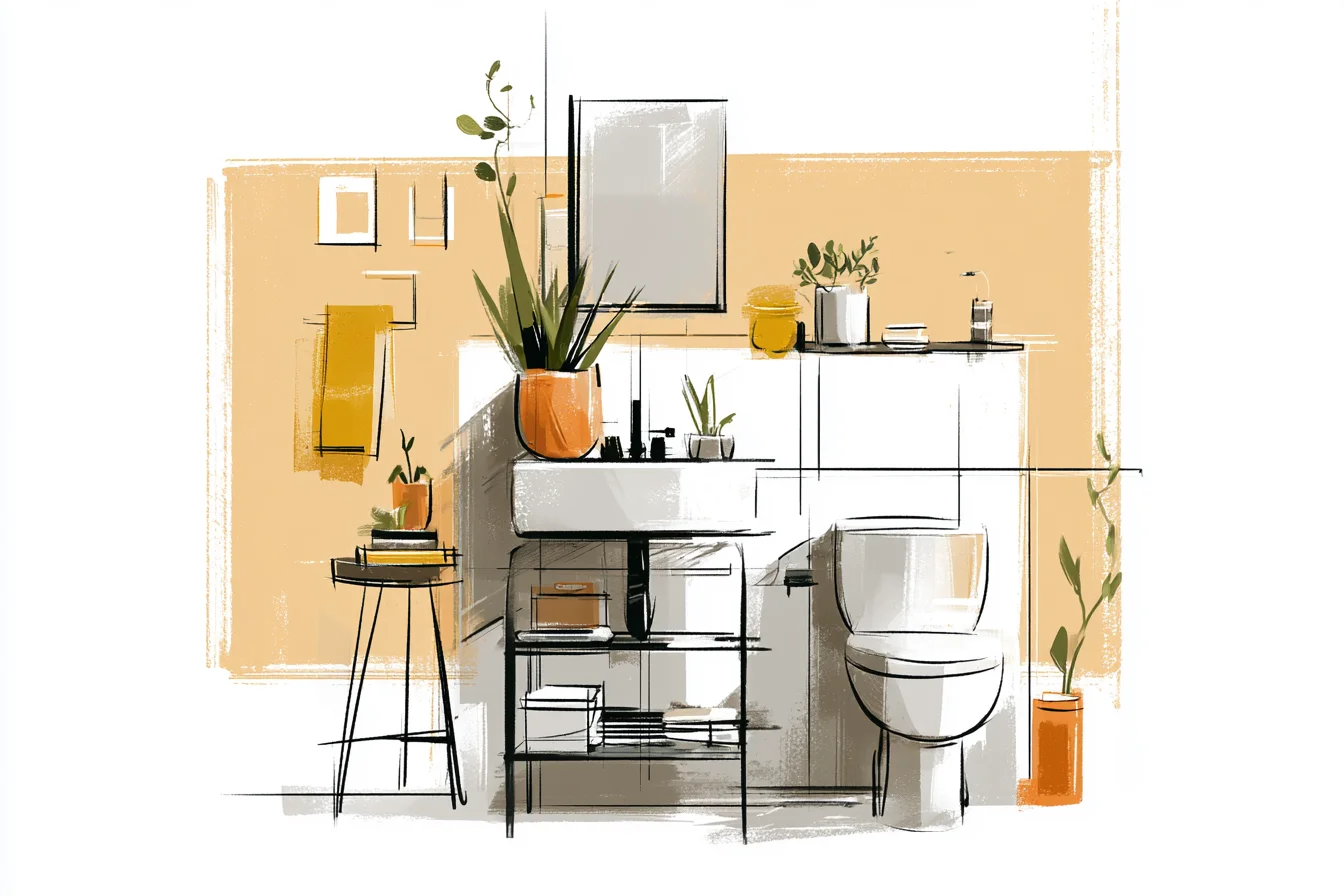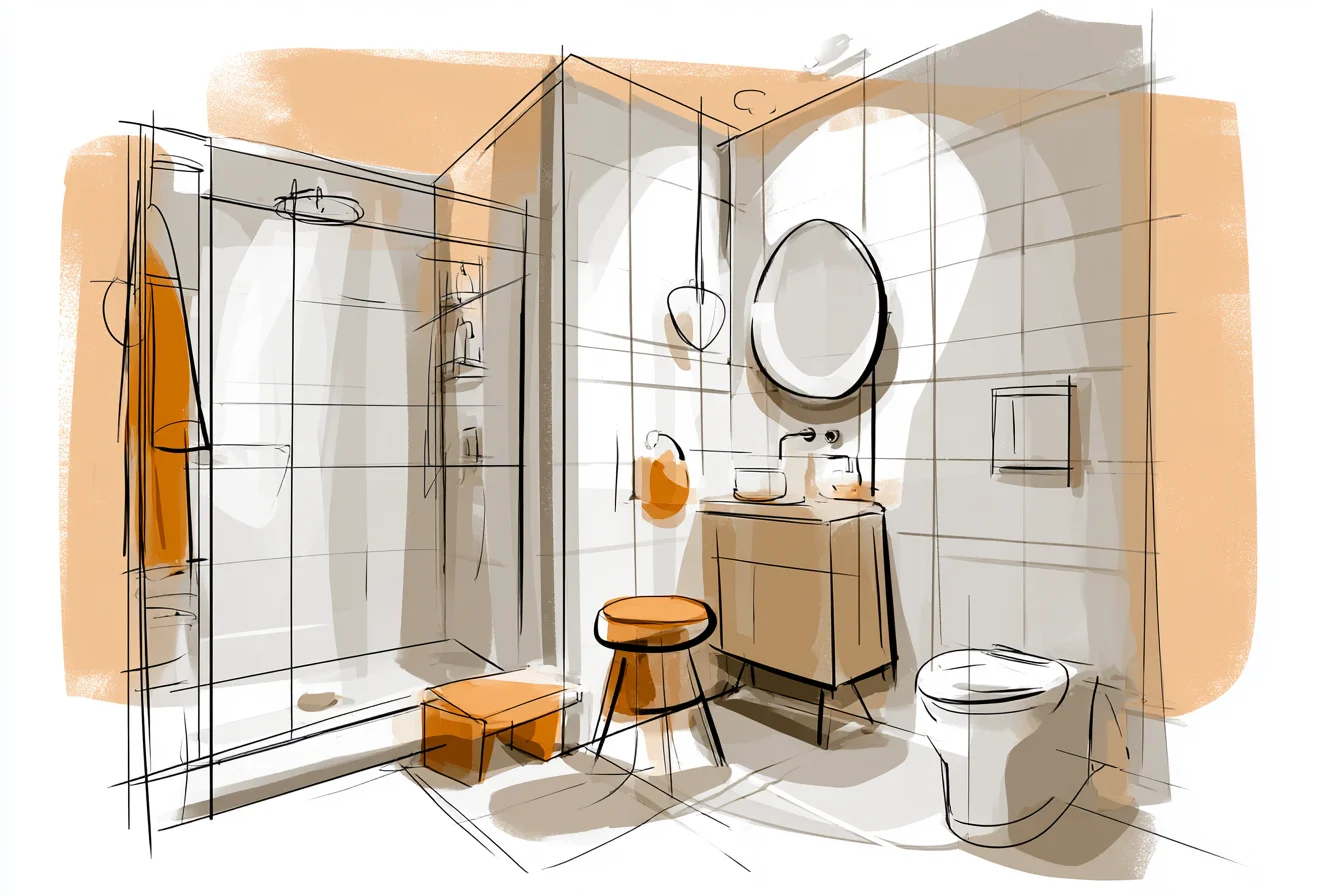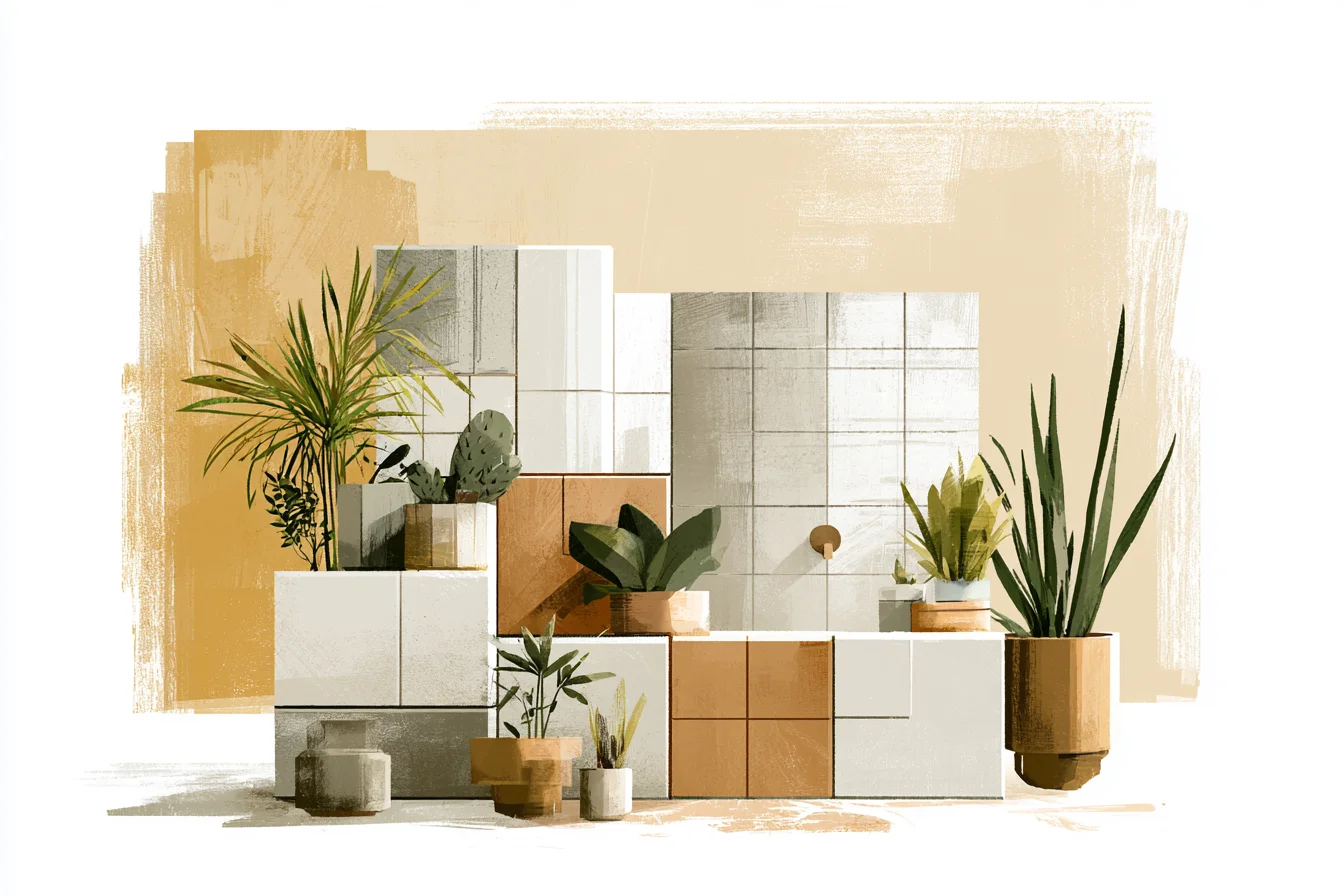
You’re washing your hands at a restaurant when it hits you: you’re not washing your hands at a restaurant, you’re washing your hands in a work of art. Or at least that’s how I felt one day last spring at a Mediterranean restaurant. The walls of the bathroom were covered in zellige tile – a mosaic style of tiling using individually handmade tiles – and the sunlight bouncing off the tile made it look like shattered quartz.
I probably spent five minutes washing my hands that day, taking mental notes along the way. Restaurants aren’t messing around when they spend time and money on bathroom design. Restaurants know their bathrooms have to both photograph beautifully and withstand torrential abuse.
Hotel guests wipe down sinks with improper cleaning products. Restaurants serve guests who use hundreds of forks that day alone.
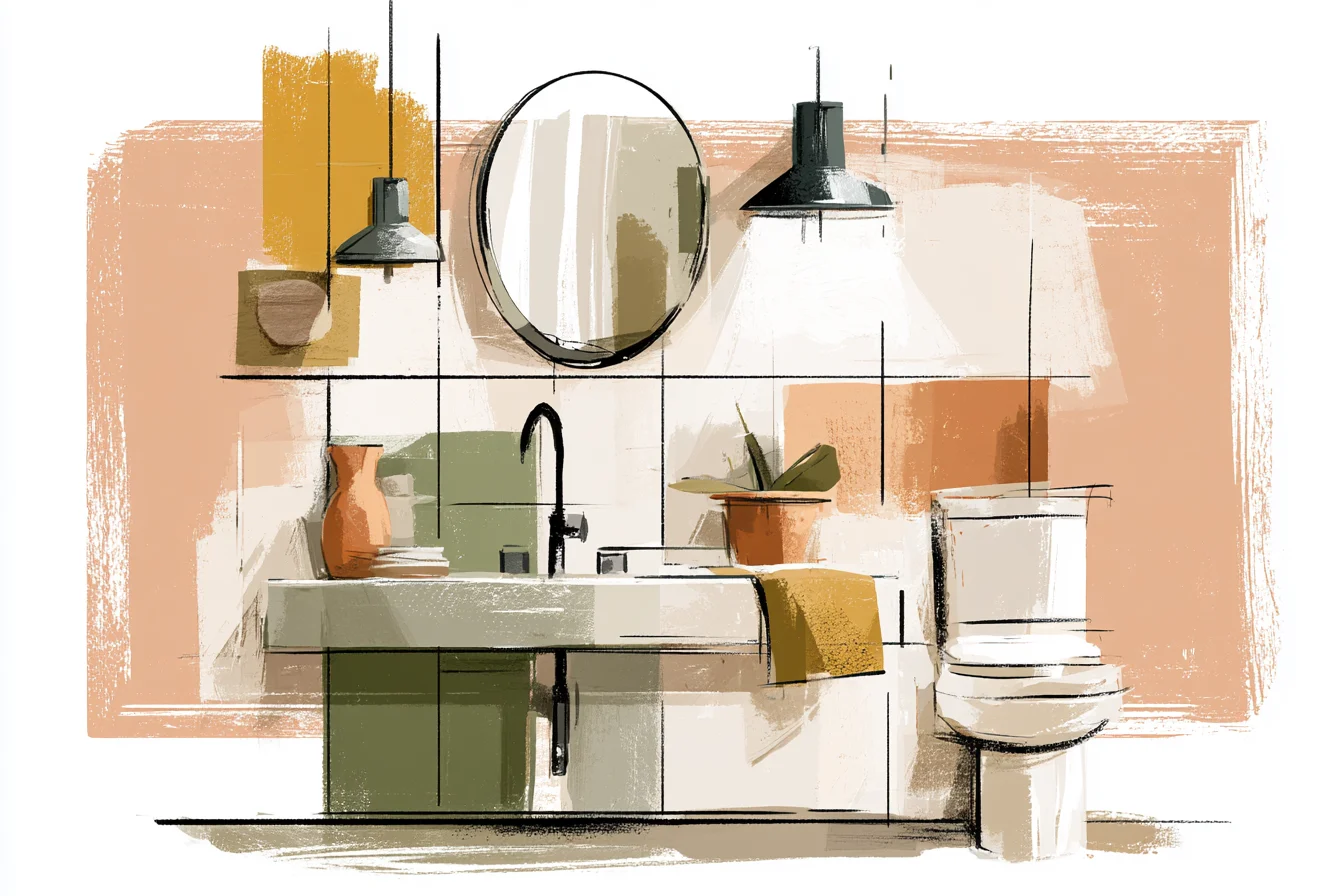
In the restaurants that impressed me most, I started to wonder: why shouldn’t my bathrooms incorporate some of the same design tricks that can stand up to actual bathroom abuse but also look luxurious?
The first trick I noticed about restaurant bathrooms (and I’ve noticed it every time since) is they don’t play it safe with patterns. Subway tile? Bricks?
Simple painted walls? Sure, those will do in a residential bathroom. But step into any restaurant bathroom and you’ll see everything from geometric tiles on the floors to floral patterns on the walls.
My favourite bistro bathroom had floor tiles made of dark hexagons with brass grout that created an optical illusion making the room look twice as big as it was. Honestly, I wasn’t sure I could pull something that bold in my bathroom. But then I looked down at my beige bathroom tile.
Three years living with beige tile was enough. It was beautiful when we first installed it, but cozyitty cozy(beige) just isn’t wow-worthy. Time for a change.
Turns out you can find hexagon tiles at the home warehouse store. They weren’t exactly brass handmade tiles, but they’d work. Tile installation was, um, “interesting.” Let’s just say that hexagon tiles have no patience for uneven walls, and mine were about as level as South Africa’s terrain.
My tiler spent an extra day rejigging cuts so the patterns didn’t look crooked. Bless him. He spent the whole day complaining about how Victorian houses loved their plumbing but hated dropping by “just to make things square.” Oh, if those walls could talk!
But hey, now I don’t spend my morning routine feeling like I accidentally stumbled into Starbucks’ version of a bathroom. Second thing restaurants get right? Materials.
Restaurants don’t use the low-grade tile you’ll find at your local hardware store. Oh no, they go with porcelain tiles that mimic natural stone. Not only can porcelain stand up to the staining better than natural stone, but it’s practically indestructible.
They’ll also go with bigger tiles with fewer grout lines because bathrooms with fewer seams are easier to clean and appear more high-end. I learned this the hard way with my first flat’s marble-esque tiles. They were beautiful but also super porous and started staining after a month.
Nail polish remover spilled. Voila. Permanent pink stains that wouldn’t wipe away no matter how much elbow grease I poured into them.
You Might Also Like
Porcelain tiles that mimic Carrara marble, on the other hand, take soap and water to clean and can’t be torn off with nail polish remover. They were roughly 40% more expensive than our old tiles, but since I won’t need to replace them any time soon, I’ll save more money in the long run by sticking with porcelain. Restaurant bathrooms have also taught me to think outside of the box.
Or the shower, I should say. When was the last time you saw someone tile the ceiling of their residential bathroom? But trade kitchens for bathrooms and you’ll see tile everywhere: on the floor, on full walls, halfway up the wall.
You can create a similar look by enlarging your bathroom’s features. In my downstairs bathroom, I took my shower tiles and continued them all the way across the back wall. It creates a sleek, expenseryour-shower-is-actually-a-whole-room feel.
Sound crazy? It isn’t once you see how often your new “accent wall” gets wet. Trust me, guests showering like they normally do at home (i.e. carelessly) will make your back wall a bathtub if it’s not tiled.
Now I have a waterproof wall that looks fancy instead of a wall that needs regular touch-ups. Trust me. Restaurants aren’t afraid of colour.
While mainstream home décor insists we stick to creams and beiges and sickly muted tulip wall colours, restaurants will throw down the boldest blues, gorgeous greens, and yes, even black tile. My favourite example is the downtown sushi restaurant with matte black tile and brass sink taps. The bathroom feels like a spa.
I was terrified to install dark tile in my own bathroom. Wouldn’t dark tile make my space feel smaller? Would every single bit of soap scum be glaringly obvious?
Turns out no to both. Dark grey subway tiles are one of exceptions to my “cheaper is tougher” theory because they actually hide water spots better than white tiles. And when paired with lighter fixtures and plenty of bright light, dark tiles can make your space feel cozy rather than closed in.
Also, while we’re on the subject of lighting: restaurants know that bathroom lighting should be much brighter than the rest of your house. Whereas most people have one overhead fixture that causes everyone who enters your bathroom to scream, restaurants know that multiple layers of lighting will open up your space. I’ve started to notice restaurant bathrooms with wall sconces beside the mirror in addition to overhead lighting or pendant lighting options.
After purchasing a pair of wall mounted lighting fixtures for about £150, I never looked back. Better lighting = better shadows under my eyes. Bonus: it also means I can see what I’m doing when I apply makeup.
Finally, one trick I blatantly stole from restaurant bathrooms is to limit your countertop clutter.
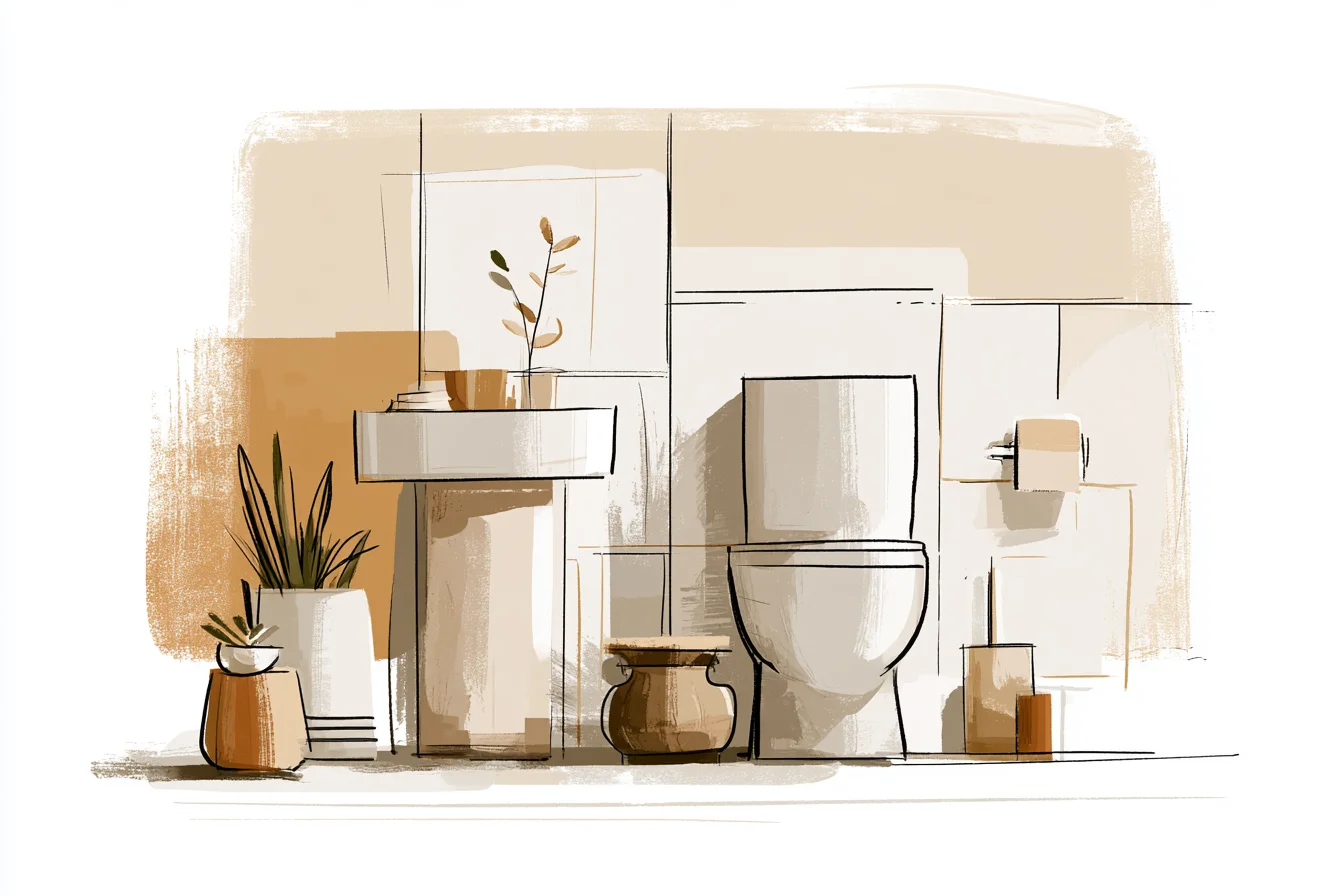
In a restaurant, they can’t have guests drying their hands on random bottles or cluttered shelves. Their solutions?
Medicine cabinets recessed into the wall and built-in shelving. I couldn’t resist creating a recessed niche in my shower with my leftover tiles. Everytime I shower I’m reminded of how genius it was to do this.
First, my shampoo bottles aren’t teetering on the edge of my tub like they once did. Second, it looks incredibly built-in instead of “I bought this tile and needed somewhere to put it.” The builder didn’t think I should do it (“what’s the point of having a niche if you’re paying me the same price as everyone else”) but man do I love it now it’s done. Restaurant bathrooms have also taught me tile doesn’t have to end with floors and walls.
Have you ever noticed gorgeous granite-looking tiles on vanities? Or tiled backsplashes that don’t end until they reach the ceiling? Once you start thinking about tiles as one continuous material instead of separate bathroom features, you’ll start to think outside of those… boxes.