Ok, let’s talk about powder room tile – and how to mix patterns without looking nuts. Years ago, I used to absolutely loathe the grout lines in my powder room. Why?
Not because they were filthy filthy filthy (although they were that, of course) but because I’d become so paranoid about mixing patterns that I opted for basic white subway tiles in a standard brick pattern. Safe. Boring.
Easy to forget. I would look at those walls every morning while brushing my teeth and wonder why I hadn’t taken a risk with something that made me happy.
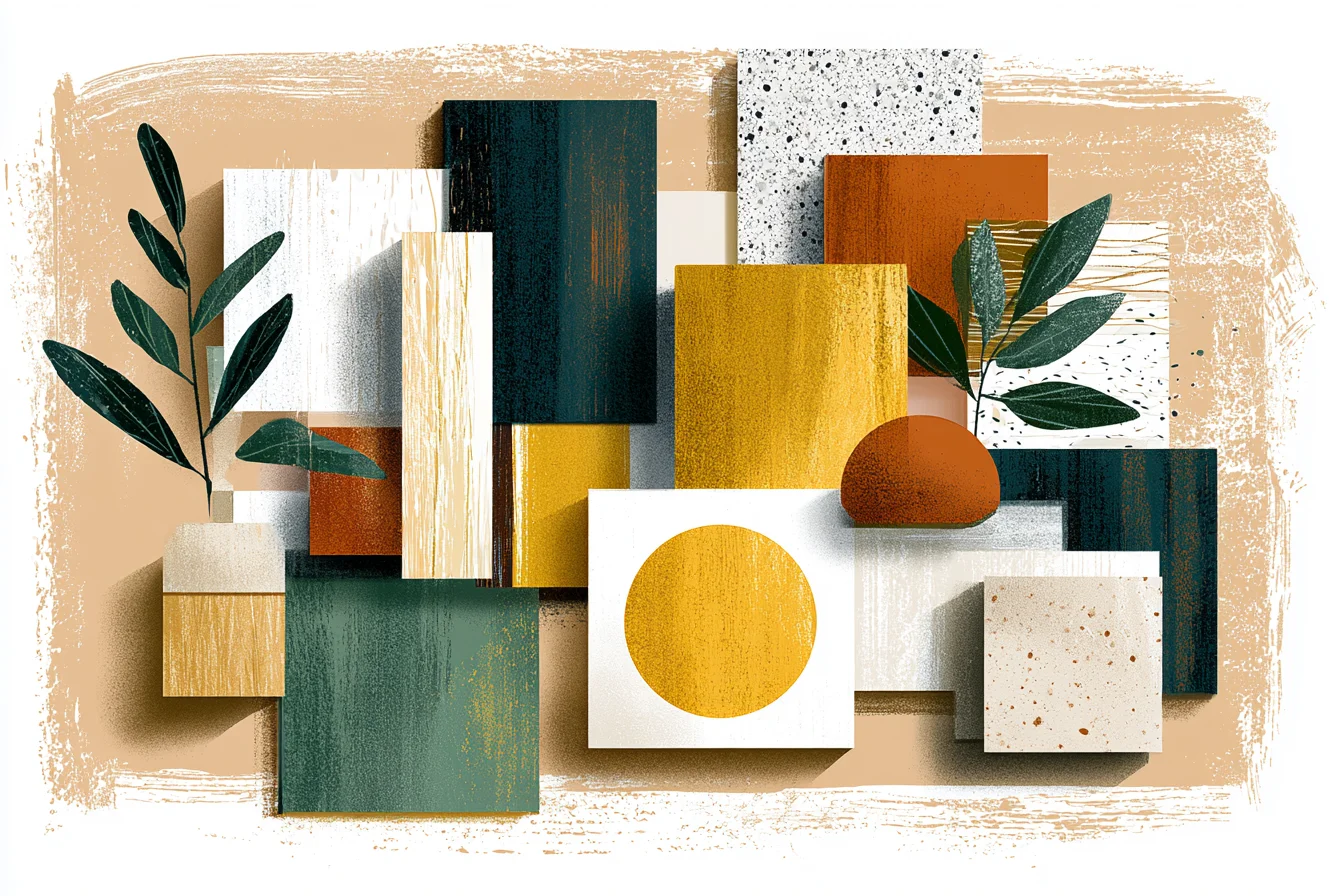
Fast-forward three years and a lot of DIY renovations later, and I’ve discovered there’s actually a science to mixing tile patterns, sizes, and finishes.
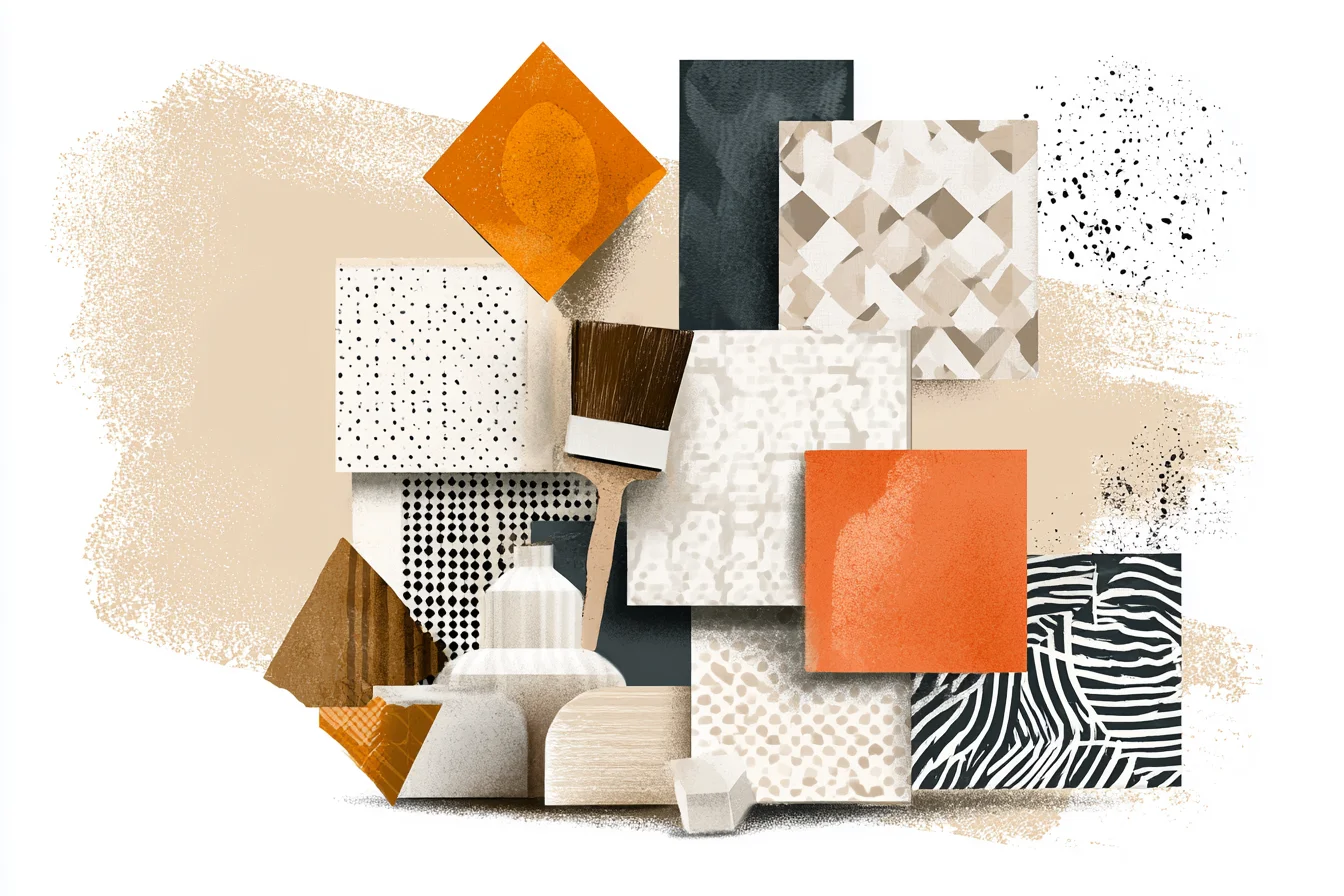
Here’s what I know: First things first: brainstorm. My eureka moment came when my friend Sarah was remodeling her guest bathroom and had gathered sample after sample from about a dozen tile shops. There were hexagons.
Porcelain tiles that looked like marble. Subway tiles. Tiny mosaics.
Wood plank tiles. It was gorgeous tile porn, but when we laid them all out on her kitchen island to brainstorm, it was everywhere. Plain white grout nowhere in sight.
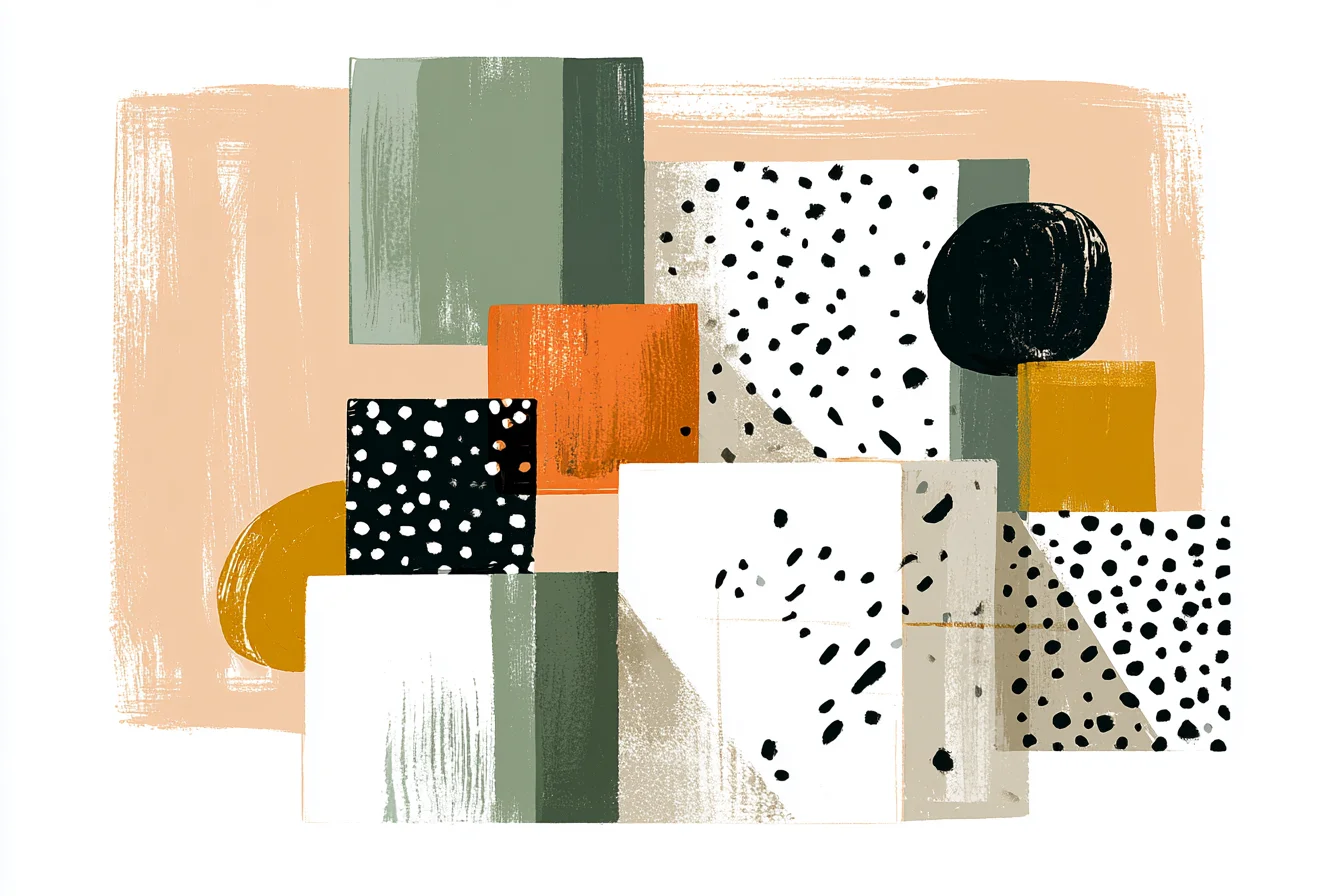
That’s when I realised I (and 99% of other people) typically make the mistake of trying to use all the tiles we love rather than picking ones that work well together. Pick a dominant tile. The rule of thumb I’ve learned is what I like to call the 60-30-10 rule of design, but with tiles instead of paint colours.
I’ll explain more on proportions in a minute, but think of it this way: 60% of the tiles in your space should be considered your “go-to” or dominant tile. 30% is your complementary tile, and 10% is your hero tile. Back to Sarah’s bathroom: we decided to use large format grey porcelain for approximately 60% of the wall tile.
We chose porcelain because we liked the texture – it had the look of poured concrete but was much more durable and water resistant. Pick a complementary tile. Your complementary tile should compliment your main tile, and share a common colour story, theme, or texture.
In Sarah’s bath we chose smaller hexagonal tiles in a similar shade of grey – the same colour family, but different shapes. Pick your accent tile. This is the fun part.
Choose something exciting, dramatic, and unexpected. We ended up choosing handmade blue and white Portuguese tiles to frame the mirror as our accent tile. Done and done!
Now let’s talk scale. When mixing tiles like this, it’s important to pay close attention to scale and proportion. Tile that’s too small can get lost against larger formats, and tiles that are too large can overpower the room.
I typically recommend staying within one or two “size jumps” of your main tile. If your main tile is a 6×12, your accent might be a 2×2 or 3×6. Not 1-inch mosaic tile.
You Might Also Like
Not 18×18 monster slab tile. Sure, you could make it work, but those tiles would have to play serious mind games to look good together. Mixing tile finishes is like mixing paint colours – you want to ensure there’s something that unifies them all.
Avoid mixing more than two finishes whenever possible. For example, subway tile with glossy hexagons is beautiful. Subway tile with matte hexagons and textured stone and polished marble?
Not so much. Pick two finishes and ensure they have something in common – a similar undertone, coordinating colours, or unified theme. One of the biggest game changers for me when it comes to mixing tile patterns was paying attention to grout.
Hear me out. Choosing the right grout colour is important for any tile – you want dark grout with light tiles and vice versa. But when you’re mixing multiple tiles within the same space, it helps to choose your grout wisely too.
Dark grout = emphasis. Want your tile pattern to POP? Use dark grout.
Lighter grout = seamless. If you’re going for a more seamless look and feel, use lighter grout to bridge the gap between multiple tiles. I love using mixed tile patterns in showers.
You typically have all four walls to work with, so it’s the perfect opportunity to mix small and large tiles. We used large white subway tiles on the main walls of our shower, with smaller diamond-shaped tiles to create a decorative border at about shoulder-height. The accent tiles are mother-of-green glazed tiles, which pulls from the greens in our vintage mirror frame.
Same colour story, three distinct shapes, two distinct finishes (matte subway tiles and glossy green), tied together by white grout. Boom. Mistake: Trying too much too soon.
On my first adventure with mixing tile patterns, I had envisioned creating a bold “feature wall” behind the toilet, using large geometric tiles. The rest of the bathroom would be neutral. But the scale was all wrong.
Because the wall was on the small side, the pattern became overwhelming instead of intentional. Expensive tile mistakes are the worst. I’ll never forget getting scammed out of $200 by a plumber.
True story.
Moral of the story? Always order extra when it comes to accent tiles.
You never know when you might need five more tiles to finish up your project (I knew someone who needed six more Portuguese tiles to finish her bathroom!). Learn from my mistakes and order at least 20% more of your accent tiles, especially if they’re handmade or from a small batch tile maker. Trust me.
Oh, and subflooring. It matters. Tiles with different coefficients of expansion expand and contract at different rates, which can cause cracks if they’re too far off from each other.
Ask your tile installer about compatibility if you’re mixing natural stone with manufactured tiles like ceramic. And if you’re using both porous (natural stone) and non-porous tiles (glass, ceramic) in the same space, double-cheque that your sealing jobs are done correctly. Last thing you want is to have damaged tiles because the installer didn’t use the right materials to put them in.