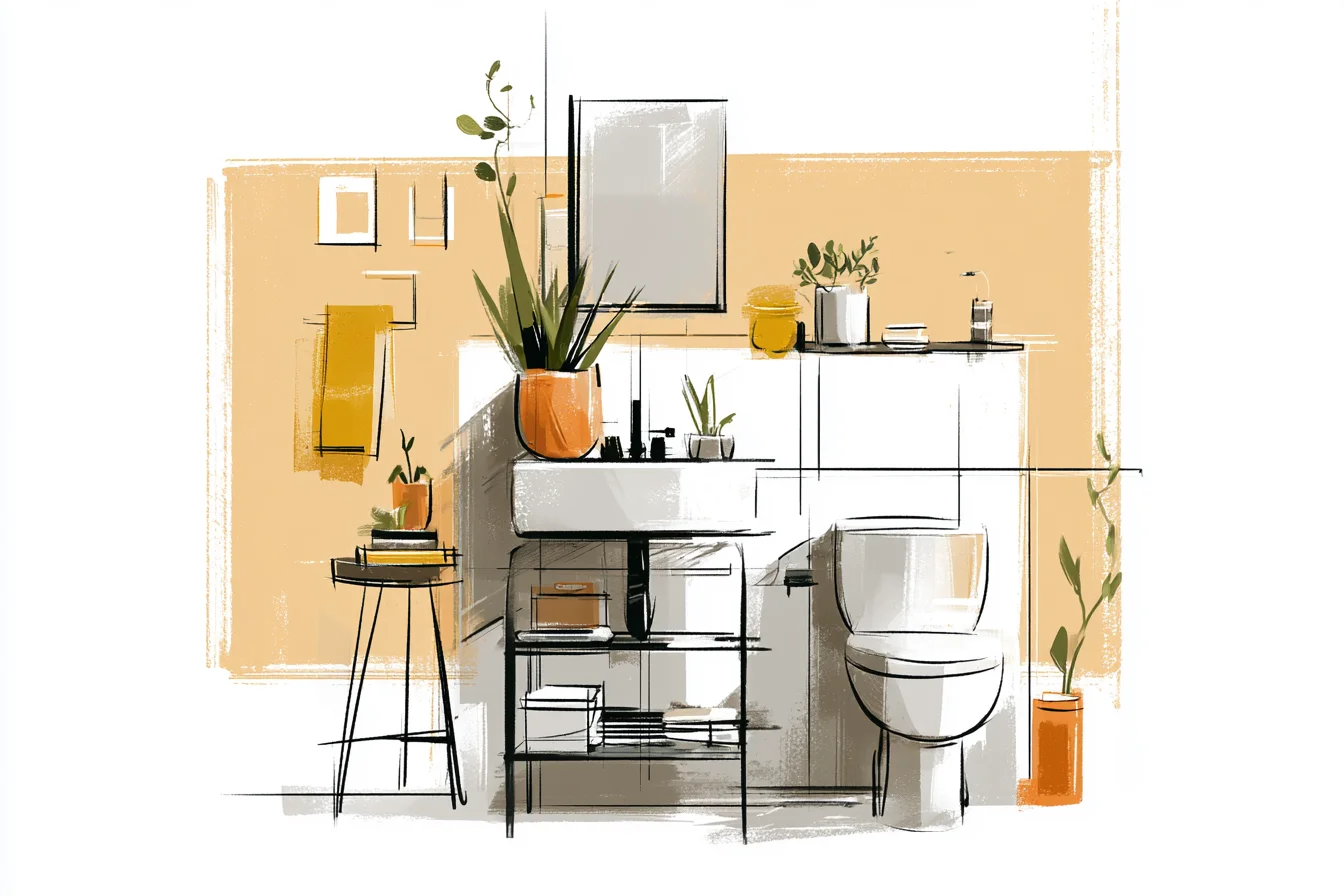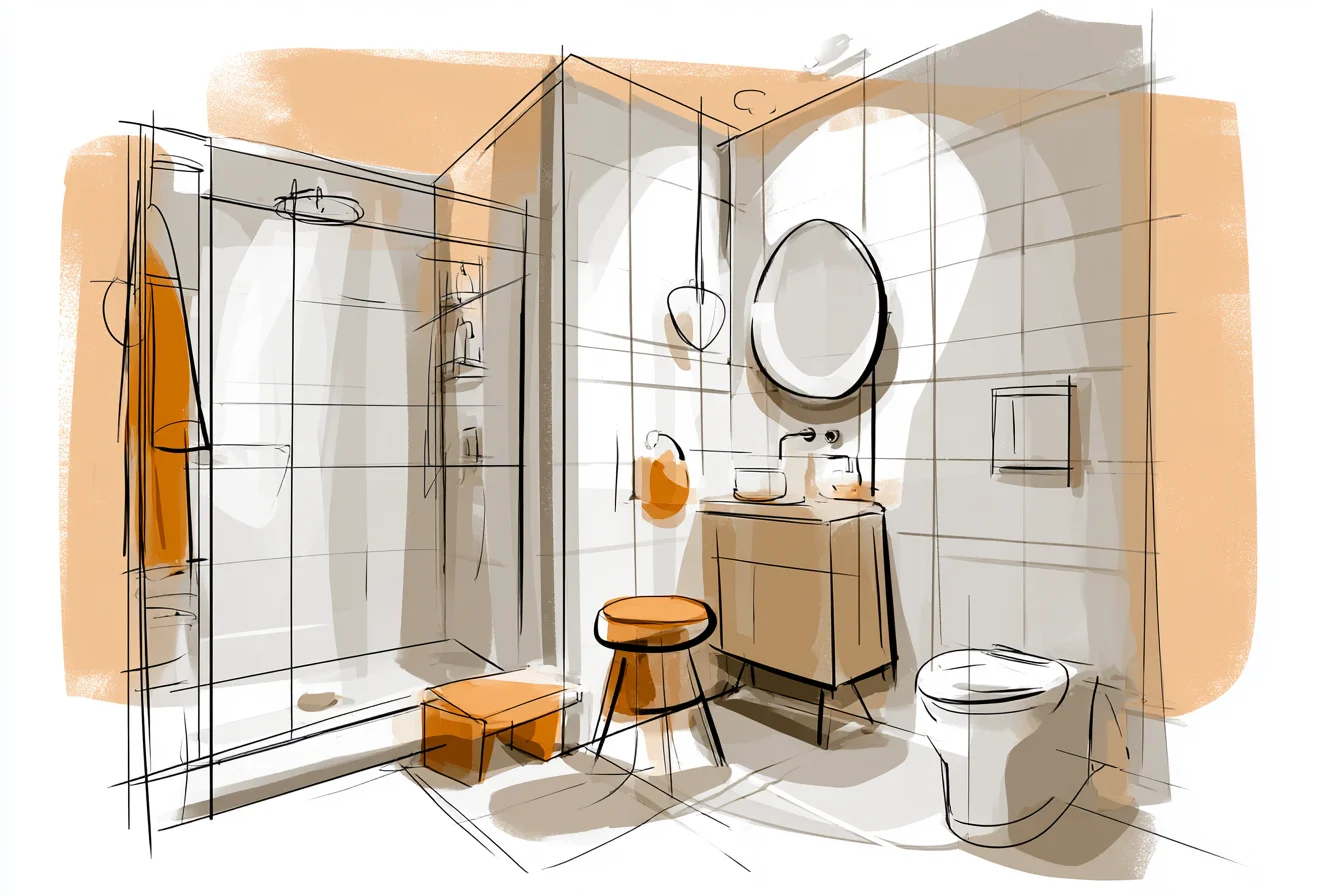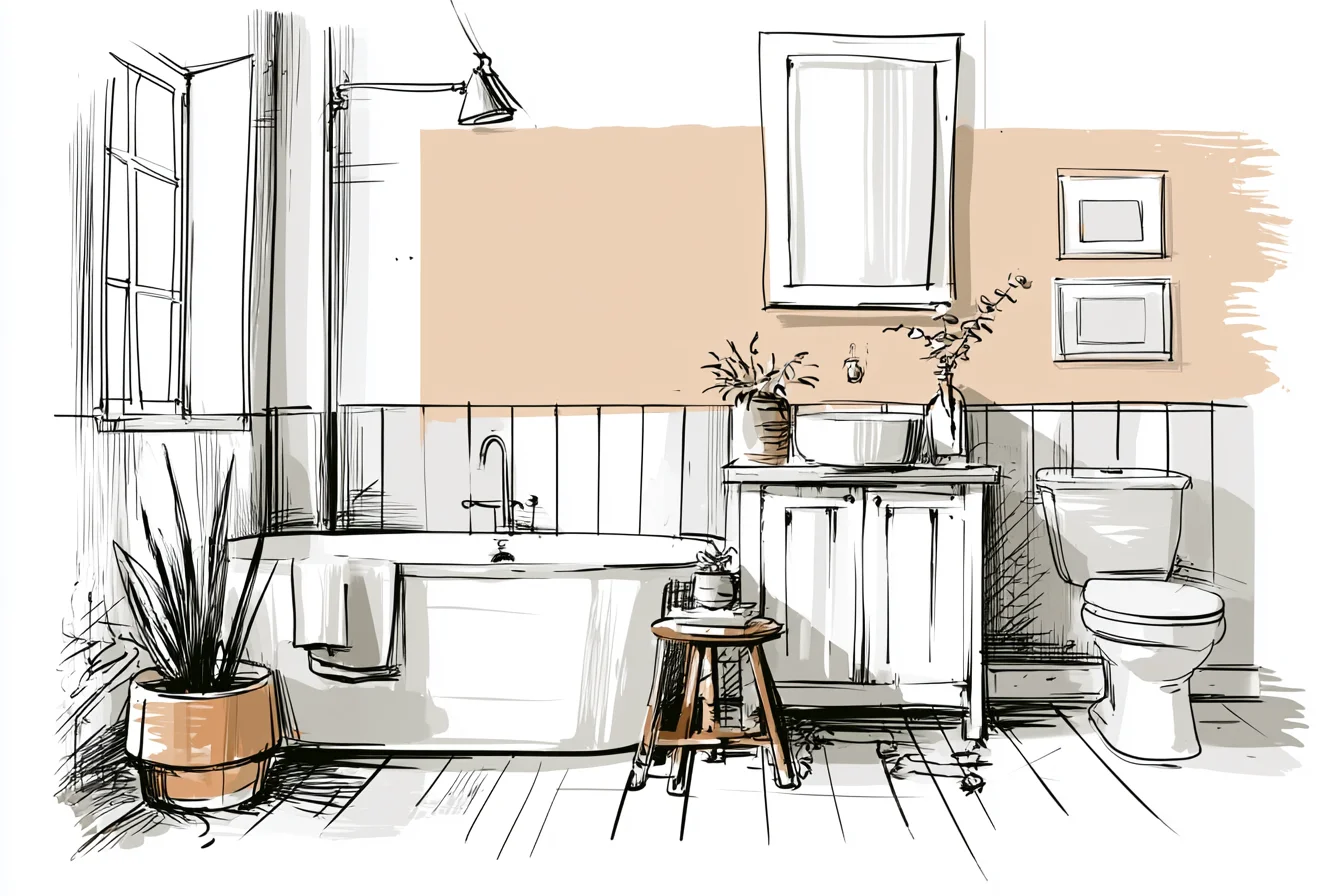
There’s something about farmhouse-style bathrooms that just makes you feel calm when you walk into them. Whether you visit someone’s home, or you flick through magazines or browse Pinterest, it has an atmosphere that a trendy bathroom design never can. For me, my dream bathroom has been one of those authentic-feeling farmhouse spaces.
Rather than looking sleek and new, it ages gracefully, getting more character as the years pass by. Rather than collecting poorly made flat-pack furniture as soon as it goes out of fashion, no, my bathroom should have tried-and-tested-feel. Only there was one issue: for a long time, I thought I knew what farmhouse-style bathrooms were.
I wanted crisp white walls with DIY shiplap cladding, doors painted in flat grey paint, exposed dark staining on the bath subtiling it as ‘distressed wood’, towel rails made from pipe, AND cabinet pulls made from old washers. Oh yes.
I knew it all.
Until I spent a long weekend away at my friend’s cottage in the Cotswolds. There she had it – the authentic farmhouse bathroom I craved. Creamy, subtly blue walls with wispy painted splatters.
A cute vintage stool that actually looked like it’d been used and worn down by years of use (as opposed to the new lumbering wannabe that I – and every other person buying furniture from Etsy – had bought). An actual vintage mirror that had been disturbed and warped around the edges with years of moisture (a fingerprint of the owners who lived in the cottage before my friend). Genuine farmhouse sinks are handmade with divots and cracks and rustic finishes.
A plastic one isn’t. I knew then I’d been approaching “farmhouse chic” all wrong. First lesson: buy less, buy better Real farmhouse chic isn’t buying a whole host of accessories and towels and soap dispensers that all match because you bought them from the same website.
No. Farmhouse bathrooms are built up over years, decades even. They use natural materials that age well.
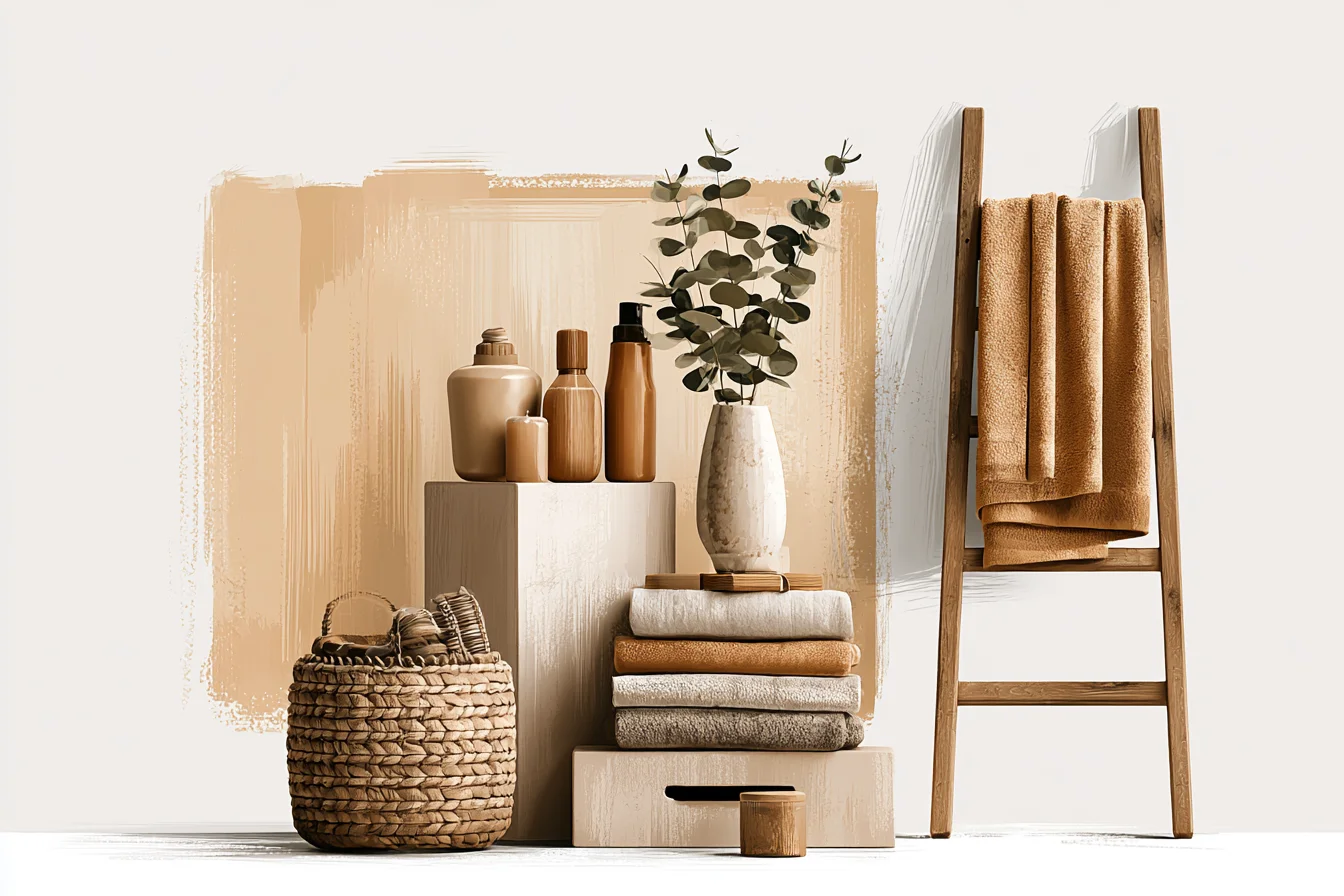
They contain pieces that genuinely have a use rather than being “on trend.” I tossed my £80 “vintage-inspired” ladder right off when I got home. Who stores their towels on a ladder? Madness.
Plus, where would you put your washing basket? ! Instead I looked for furniture with soul. Sure, my new washstand from the local salvage yard needed some TLC.
The wood was dry and cracked in places, and one of the drawers refused to budge without some serious elbow grease applied. But once I’d applied some conditioner oil to the wood and tweaked the drawer runners, it became the star of my bathroom. Sure, I paid £120 for it instead of £600 for the reproduction online, but this bad boy had decades of scratches and scrapes hidden in its surface.
Lesson learned: just because it looks ‘natural,’ doesn’t mean it’ll work. If you follow a lot of home design blogs or pages, you’ll see reclaimed barn wood is huge for bathrooms right now. Everyone’s putting it as shelving, or making their own cladding boards.
It looks great, doesn’t it? Yeah… not so much. Old untreated wood doesn’t play well with the moisture in bathrooms.
You Might Also Like
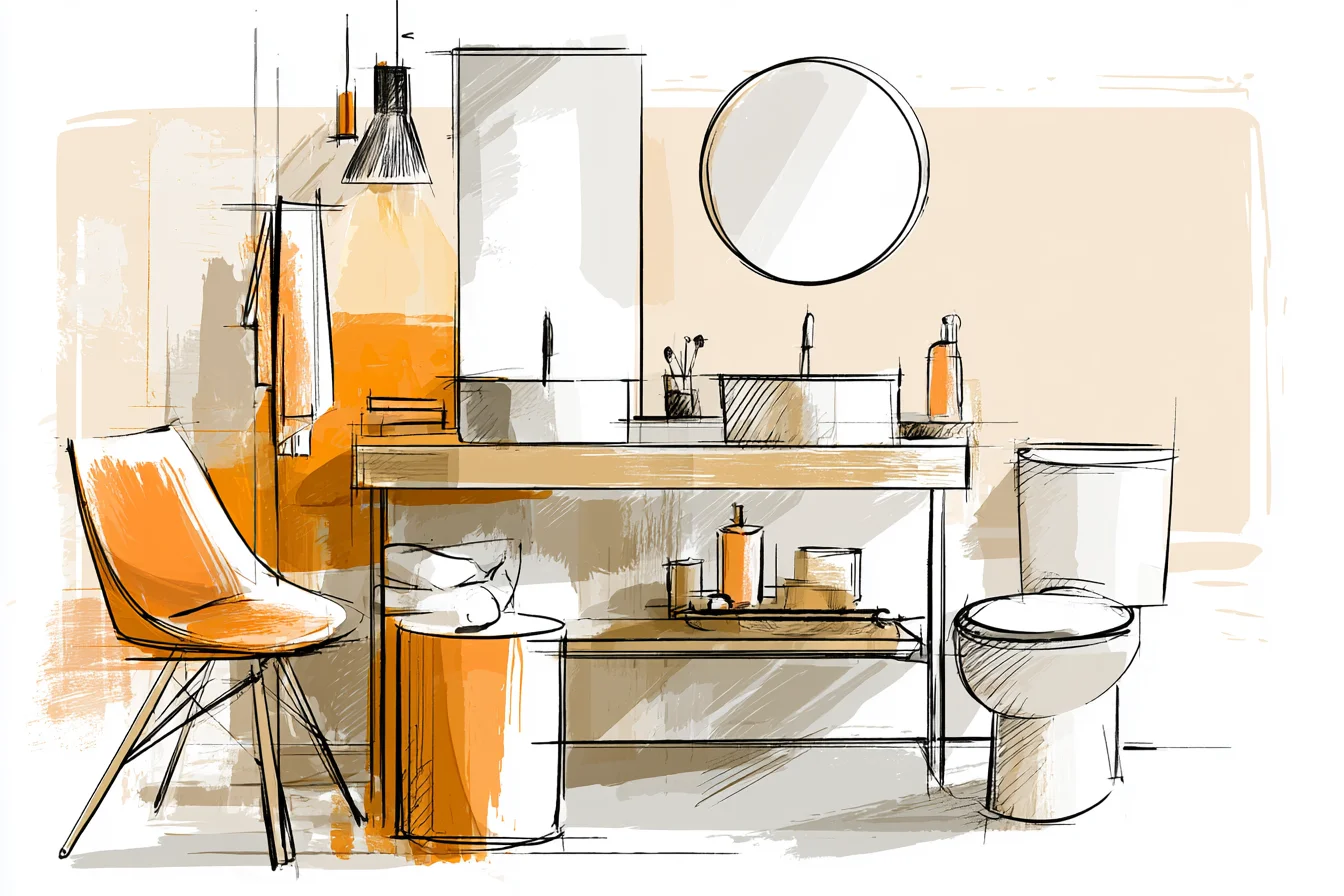
Within months I had buckling wood planks that smelled musty. Fail. Instead, invest in properly sealed wood.
Oak is a great option that ages really well, with authentic looking ageing marks and scars on the surface. The local reclamation yard had salvaged lots from old doors and windows, which had already been treated for dampness. They cost me around £45 per linear foot (compared to new pine at £20 per foot) but have lasted over two years with no warping.
Shiplap can be great – but please don’t use the plastic-backed board from a big box store. I tried it. Don’t be “cool like me” and make the same mistake.
Shiplap cladding CAN look great, but take the time to get real wood boards. Yes, you’ll pay about triple the cost of those eBay sellers offering packaging-free shiny white boards. But real wood will age naturally, with watermarks and weathering that plastic-backed veneers will never achieve.
Natural doesn’t automatically mean white. While all-white farmhouse bathrooms may look amazing in magazines, they aren’t necessarily what you think of when you imagine a farmhouse. The colours used were muted because they covered dirt, reflected the most light (usually white wash), and were made from natural pigments that were accessible in the area.
I painted my bathroom walls in a warm, creamy-white colour (Farrow & Ball’s Pointing to be precise). But then I painted the window frame and vintage washstand in a sage green to add some definition and interest. Swap out those ugly spotlights.
Spotlights can look so sterile and obvious. And they give bathrooms a very modern feel that works against your farmhouse aesthetic. Try swapping them for something more ambient; I went for a vintage-inspired pendant light hanging over the sink, plus a little table lamp on the windowsill.
Crazy, right? hear me out. That soft ambient light in the evenings MAKES the room. My pendant cost me £95 from a local lighting store, but was totally worth it.
Skip the built-in storage.
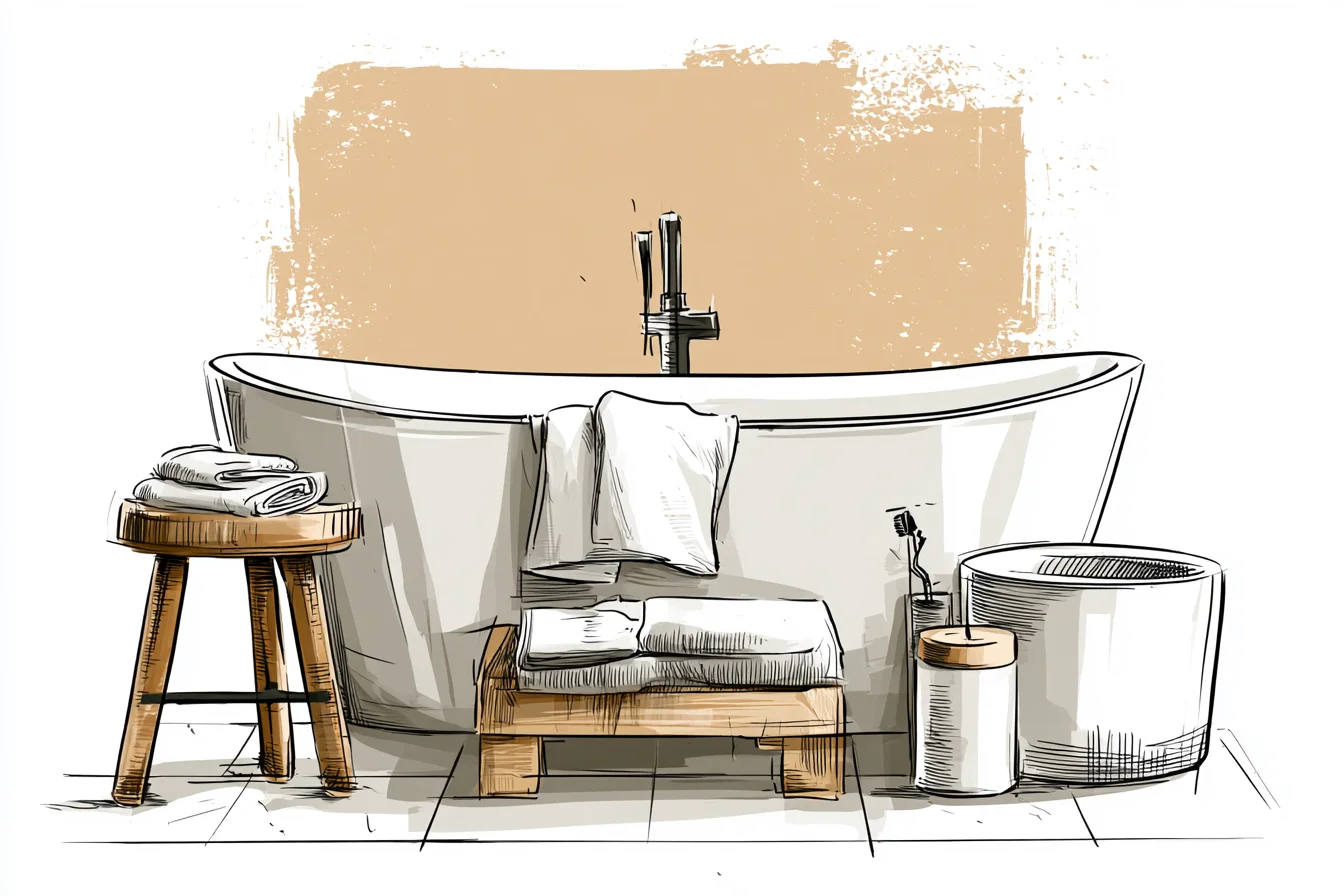
Storage in a farmhouse bathroom should look slap-dash. Go for woven baskets (NOT the plastic ones), enamelware jugs for brushes, and even mason jars for cotton wool.
Just be sensible about what you’re buying. This might sound obvious, but before you buy that adorable mason jar soap dispenser, make sure it IS a mason jar that’s been repurposed. Not a new jar that’s been manufactured specifically to be a soap dispenser.
And there we have it. From start to finish my bathroom renovation took around eight months, and cost me roughly £2,400. Some of that includes the washstand, wood flooring I ended up replacing, and other big-ticket items.
But also realise I could have easily spent nearly that much on cheap, “farmhouse-style” accessories that I’d have changed within a year because they went out of fashion. Instead, when people come round to my house they don’t say “oooh your bathroom is so farmhouse!” No they just… like being in there. And THAT is what I was going for.