It’s tempting to think “light wood floors will go with everything”, because most of the time they will. But those corner cases, when it doesn’t work or works spectacularly well, are enough to make me reconsider every time. Let me tell you about my specialist collection of paint samples instead.
I have thirty one tester pots on my shelf above my desk as we speak. Thirty one. I counted them last week, because someone asked me what colour would go with her floor and I started reaching for “safe” options and kept pulling out more pots until I had a small stack and realised at some point that counting them would be less helpful than actually helping my client.
Here’s how you end up with thirty one pots.
You buy a tester of what appears online to be a soft warm white. You get home and test it on your wall and by four pm it’s the colour of dentists’ mouths against your floorboards.
Cue another tester pot, this one marginally warmer and ONLY WHEN THE SUN IS OUT turning a funny shade of green under your lampshades at night.
Repeat until you’re out of kitchen cabinets.

Because nobody explains that wood floors aren’t just “light” they’re anywhere from pink oak through honey-ashed wood to a cool, northern European greige that’s really just very pale beech stained matte.
I specialise in tiny flats and weird layouts in Birmingham, lots of converted terrace houses, and wood floors turn up again and again because everyone knows they make a boxy room look and feel more spacious. Nobody tells you the floor you chose will either fight or flatter any wall colour you slap over it. Get it wrong and your whole space feels subtly ‘off’ in a way no one can articulate but everyone recognises. I had one client who repainted her hallway three times TWO YEARS IN A ROW because she couldn’t find a colour that sat right and eventually we discovered the issue wasn’t with the paint at all it was she kept choosing cool greys against a floor with a warm, golden undertone.
So Hi. I’m thirty one tester pots deep and I’m going to tell you what works and what doesn’t and what I would confidently suggest to a real client hung their happiness on.
[Colours That Suit Light Wood Floors]
Warm Whites, but checked first
We all grab a white first don’t we because ‘safe’ is comforting, and then we all pick a white that either leans blue or grey and ask yourself why the room feels cold against warm floors? I’ve done this. In my hallway. Bleugh.
Test in daylight, holding your swatch flat against an unpainted section of floor and look for any blue or grey shining through. The palest yellow-white is the only true “white” to go against yellow wood floors, any pinkish wood wants a warm white with an almost undetectable warm cast. I swatch-tested for weeks before painting my kitchen and found the *exact same* white two shades warmer on the same brand’s colour wheel sat calmly alongside my floors and everyone noticed before I got home from the paint shop.
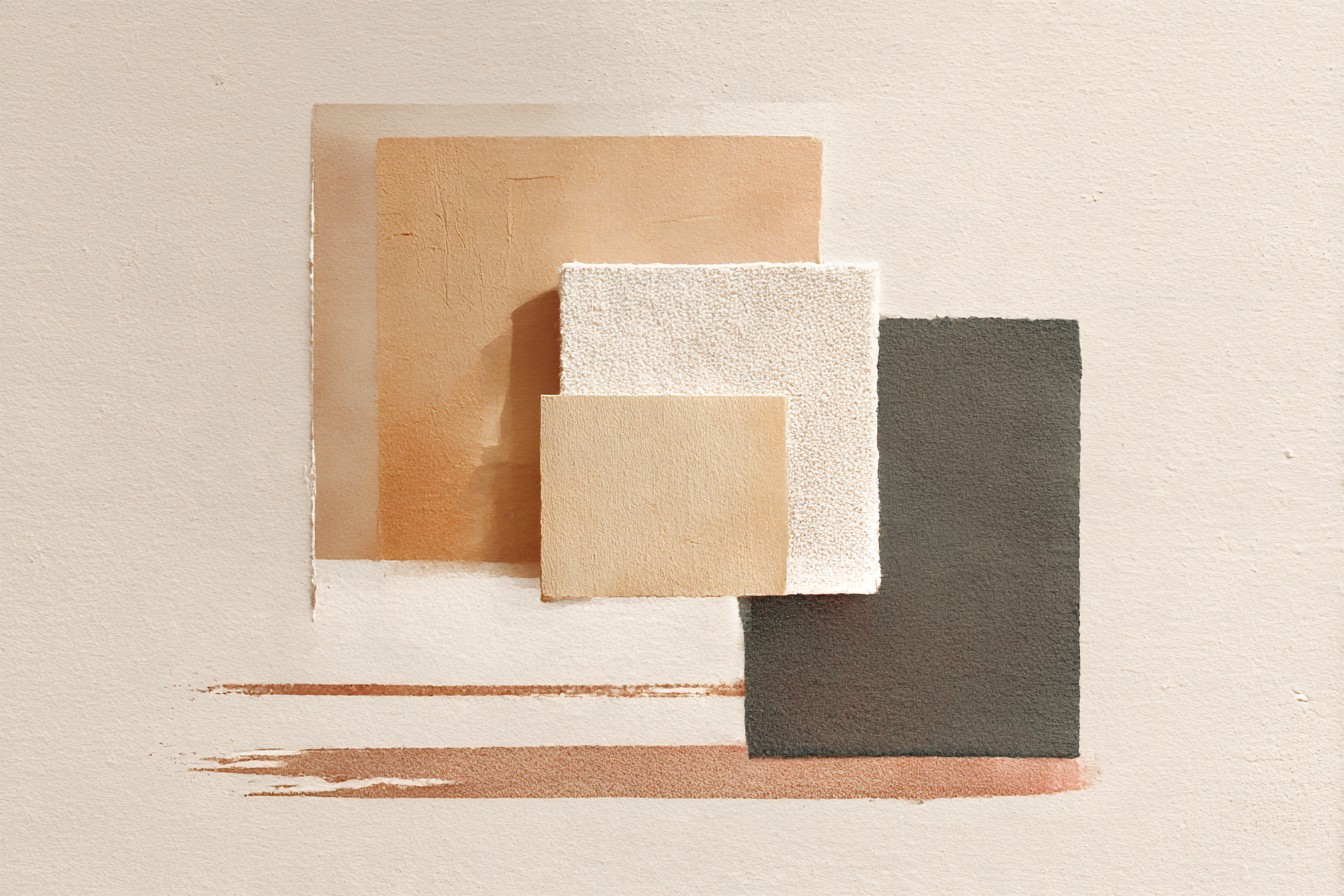
[Suitable Warm Whites]
Sage and Olive greens
Sage green is very popular with light wood floors because they do honestly match a lot of the time. But only if you test your floor first. A cool blue-based sage green will clash against a warm floor badly because you end up with two colours pulling for attention on different ends of the temperature spectrum. Pale olive greens with a yellow bias though… that’s the one my genius PinterestLifeFinallyAligned neighbour used and she nailed it.
I painted my snug olive green and agonised over it for weeks, primed and painted three different walls because I couldn’t trust myself and lo and behold it worked. Walls are small and my floor is a pale ash wood with a slight grey cast. The olive reads cool without being cold, warm without turning beige. I’ll stop bragging soon I promise. But this is the bit I got right and I feel rare enough that I should claim it.
[Sage and Olive greens for light wood floors]
You Might Also Like

Greige and Warm Neutrals
Greige gets hateboxed as generic stockbroker bland but honestly it’s everywhere for a reason. It’s a jack-of-all-trades colour that balances cool and warm so will almost always work against wood you’re not 100% sure of. That’s solid if you work with anyone who didn’t choose their flooring like you did.
The tricky part here is making sure you actually choose a greige colour that isn’t secretly more grey than beige. Loads of swatches label themselves Warm Neutrals that turn out to be less warm than your weakest white. Test at home, two shades from the same brand that sit either side of what you’re pretty sure is greige. Put them both on your wall next to your floor, not a card in John Lewis next to lights so bright they make everything look terrible.
[Greige and Warm neutrals for light wood floors]
Blues and Cool Greys, with caution
I’m getting a bit ranty here, sorry. Blue/grey walls are where I’ve personally seen-and-done-the-most-floor-colour-fail because everyone trusts a cool grey to look sophisticated without testing it first and ends up with a wall that reads plain “meh” next to their floor. It did happen to me. I picked a grey I liked for my bedroom two years ago and halfway through painting the room looked like it was sucking the joy out of everything around it.
Blue and grey aren’t impossible, your floor just needs to suit them instead of the other way around. Look for wood floors with a genuinely neutral or cool grey undertone to pull this look off, otherwise no matter how much you love that duck egg blue paint colour it’s never going to look quite right. Your floors needs to be either truly neutral, or genuinely greige to avoid your walls looking lukewarm. And I mean that both literally and figuratively.
[Blues and Cool Greys]
Dark, moody colours
Terracotta. Navys. Charcoal. These are your “dare to commit” options, but also the ones that’ll sing against a light floor if you do. All of them work beautifully on a single wall, or in smaller rooms where you’re not worrying about covering every surface. That pale wood floor your afraid of? Paint a wall dark and suddenly it looks like you chose it that way. Painted our littlest box room ink black last year and suddenly her faded, homewarranty oak floor went from sad to a very deliberate choice.
Terracotta is a bit of a wildcard since depending on your floor’s undertone it can lean too warm and fail horribly. Test it really does apply here. But with the right floor, a deep terracotta can look warm and rich instead of muddy and angry.
Rule of thumb with bold colours; are you willing to commit to them fully or not? half-hearted navys look like.defaults.
[Dark moody colours]
TLDR: Trust the wood
Still standing there with a paint swatch wondering where to start?
Grab your flooring offcuts or go to your dining room and find a patch of flooring that doesn’t have laminate folded over the edges.
Then look at your swatch against it in daylight and ask honestly; is your colour warmer or cooler than your floorboards?
Every brightly painted hallway in this went back to me because the owner skipped that step. Trust your floor. It will either make or break any colour you slap over it otherwise.
ALL THIS SAID. There’s not one single right colour to paint if you’ve got wood floors. There’s the right colour for your floor. Those same cool greys I painted-and-hated will look beautiful over my neighbours Padavan Pine because guess what, that floor leans cool and her walls ended up warm by mistake. Test big if you want to but definitely test small first, and whatever anyone says on the internet ALWAYS trust your floors. You chose them, paint doesn’t.