
I used to believe the coffee table Police Line Don’t Cross rule. Years spent telling anyone who would listen that two tables was a crime on par with swagged curtains or a rug designed to trick you into thinking you bought a bigger rug when you bought a laminate floor saw me preaching that belief with evangelical zeal. I was wrong. So very wrong.
I preached it to a woman in a furniture store in Headingley when she was trying to choose between two nesting tables and one long bench style one. I told her, entirely unsolicited, that she didn’t need two. She bought both.
Clearly the woman knew what she was doing and I was the fool.
My house has a front room about the size of a large hallway and a back room that leads off it where someone knocked through in approximately 1994 and didn’t finish the skirting boards.
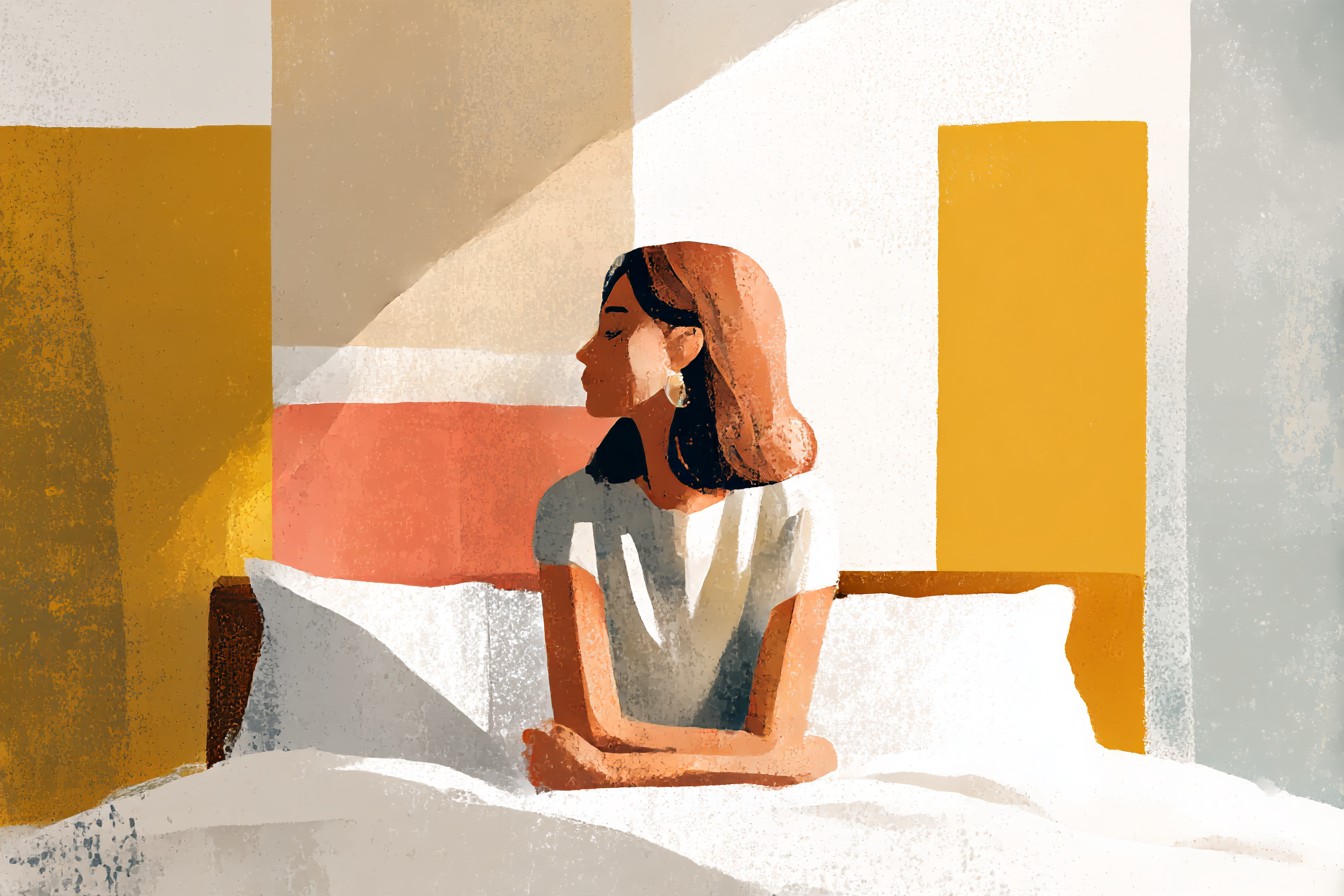
For ten years I had a single coffee table set mid-room, a proper solid oak slab I’d bought when I first moved in. The kind of table that looks good in photos but serves no real purpose whatsoever. It sat there being ground zero, one table laying down the law to every other object in the room, and everyone who lived there hated it a little bit without knowing why.
The afternoon that changed my mind
It wasn’t a stylish revelation, in fact it was raining hard enough one Sunday in February that my guests didn’t mind being inside at all. It was four adults, two mugs of tea, a laptop, a plate of toast and the pile of marking I should really get through before Monday having nowhere to live except that one table. The tea ended up on the sofa arm because there was literally no space left on the table, someone’s mug toppled over when their companion resettled their cushion and straight into the gap in my floorboards it went. Gap that I’d been thinking I should probably put something in since about 2015.
I stood and watched a full mug of tea disappear into the wooden innards of a house built in 1888 and thought, for about the hundredth time, that my house enjoys casualties. It was that moment I decided that coffee tables weren’t about making a statement but rather accommodating the traffic flow of actual life around them. My front room remains tiny and basically houses a single armchair and a diminutive table that sits by the window and gets used about once a year to clear space. My back room, where people actually sit, has two tables. Two tables that are not a set. They don’t match. One is big and solid positioned by the sofa to handle cups and plates and, because my sisters kids visit at the weekends and wreak havoc wherever they lay their eyes on, sturdy enough that it doesn’t wobble when my gorgeous nephews treat it like the dance floor.
You Might Also Like
The other is small and low nearer the set of armchairs people actually sit on when they’re invited round, and mostly houses a lamp and the book I’m currently reading half the time. It can occasionally double up when the big one is full but usually exists to hold space rather than stuff. Two tables gives you zones. Real zones that two groups of objects can actually use instead of shoving everything on table number one and leaving everything else pretend it doesn’t exist. I found myself no longer shifting cushions to balance out the empty spaces, I just didn’t need to because there was room for everything.
I stopped decorating and started living in the way that room was arranged. Sofa leg no longer threatened to wreck my footboard_crossword clue because I’d actually found a use for it.
Why having multiple tables works for my house
The thing about that one-table rule I’d been reading out loud to everyone who would listen for fourteen years is it was written by someone who lives in normal houses. Kitchens that are big enough for you to cook without spilling over into the living space, dining rooms that actually exist, houses built for this century and its open plan lifestyles. My house has two tiny rooms that were never meant to function as one. My back room which, remember, is supposed to be my living room wasn’t built to accommodate a sofa, two armchairs, a dog bed and the full width of my bookcase just scraping past when the door’s closed. When someone decided to knock the wall through in the nineties they didn’t solve the storage issues involved with fitting a modern family into a hundred year old building, they just created one large room with twice as many furniture needs as before.
I’d been trying to make the one-coffee-table rule work in a space that wasn’t built for it. Once I looked at how we lived in that room rather than trying to squeeze around the rule I kept telling everyone about two tables made sense. A large one near the sofa doing the heavy lifting.

Handsome enough that it doesn’t complain when you actually put weight on it.
Small one by the chair I end up sitting in come night time with a lamp and not much else. There when I need a surface near my chair, and unnoticeable when I don’t.
Room corners that no longer get jabbed by sofa legs as people dodge out of the way. Kids who can carry on doing crafts without me fearing the dining room table will buckle under the weight of glue sticks and pizza cutters. A year seven who told me my classroom looked like “a nan’s house but organised.” If there’s one thing that second coffee table achieved, it’sorganisation. Nerdy, inactive hysteria to tabletop quizzes and board games because every item has not just a place to go, but its own dedicated surface.
Two coffee tables isn’t slavishly following a decorating trend, it’s understanding that your living room doesn’t work under the rules of a house with space to spare. It’s about looking at how you live in your rooms and actually accommodating that instead of pretending every space has to look like something you saw in Homes&hommes. Took me fourteen years of refusing to admit I was wrong but hey, life’s short. Buy the tables.