There have been times when travelling that I’ve felt incredibly insightful. While overlooking oceans, standing on mountains, meditating in historic temples. They were all times when I felt like I just really knew life.
Or myself. Or love. Except for once, three years ago, when I truly did have one of those instant-coffee-in-the-morning moments of clarity.
It happened while I was standing at the toilet in the marble-paneled bathroom at the Langham hotel in London. I suddenly knew how I wanted my bathroom at home to look.
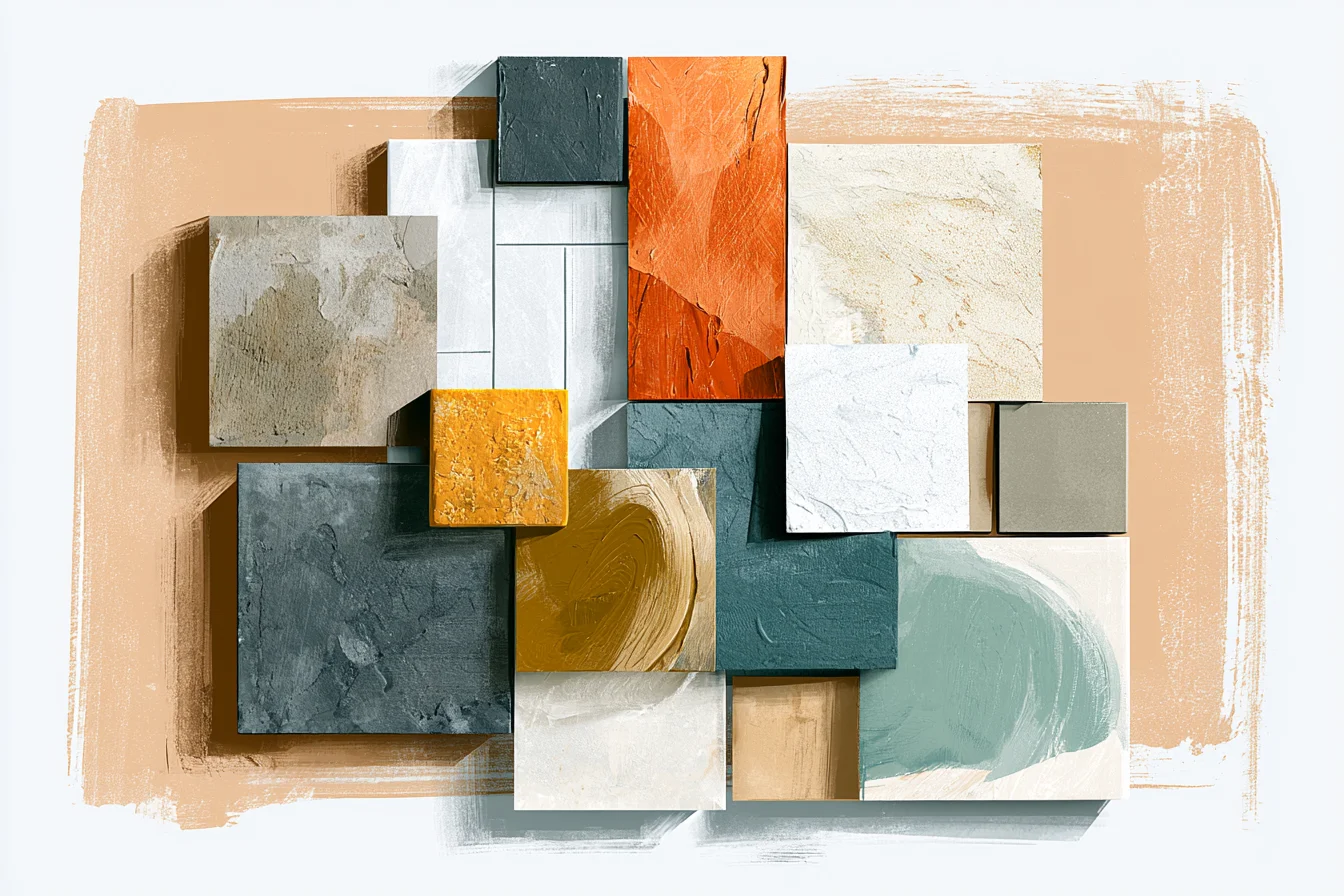
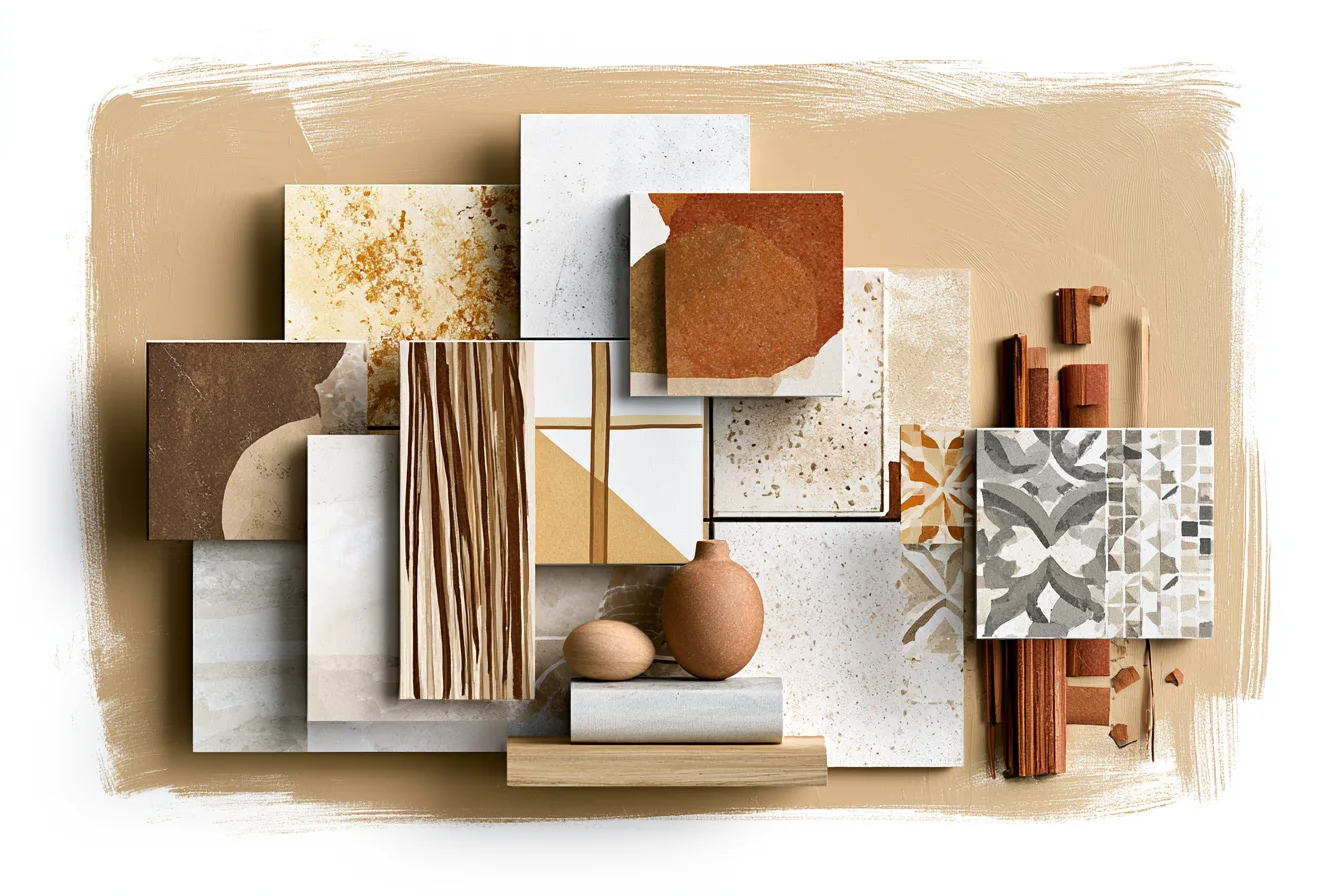
I knew it down to the_hexagonal tiles_.
Don’t judge me. We’re all adults here. The floor of the bathroom was covered in little white hexagons with charcoal grout.
There was just enough pattern there to make you notice the honeycomb design, but subtle enough that the entire room felt timeless and new. I took a picture of the floor. Which, in hindsight, was kind of weird.
It wasn’t the gold fixtures (totally not my budget) or even the heated floors (majestic, but also definitely not my budget) that left such an impression on me. It was those tiles. Six months later when I finally got serious about renovating my bathroom, all I could think about was that pattern.
Why it didn’t scream trendy shower curtain. Why it felt high-end but wasn’t trying too hard. I’ve since learned that if you steal ideas from hotel bathrooms, you can’t just copy everything.
Sure, the marble that I fell in love with would have cost me upwards of my monthly mortgage payment. But the philosophy behind what made those bathrooms feel luxurious? You can totally take that.
Here’s how to make your bathroom feel high-end on a budget, inspired by my favourite hotel bathrooms from around the world. Most importantly, when doing my very scientific hotel bathroom review (yes, that’s a thing now. I make my friends send me tile photos from every holiday we take), I learned that hotels with million dollar bathrooms actually aren’t super crazy with pattern.
They tend to pick one standout feature and let it shine. The Langham had theirs floor. The Ace Hotel in NYC showcased THESE beautiful oversized format grey tiles with minimal grout lines to create a seamless feel.
A boutique hotel in Bath used basic white subway tiles but put them in a herringbone pattern to elevate the simple design. When I started planning my renovation, I decided I would choose one thing that would become the signature feature of the bathroom: the floor. I found porcelain hexagon tiles that practically matched the Langham’s marble, but cost me 1/10th of the price.
The catch? These tiles come in sheets. So if you want that seamless look you have to be really diligent when you install them.
My tile guy Dave (super nice but would call you back) was concerned about the charcoal grout I wanted. “You’ll see every speck of dirt” he told me. But I had seen the contrast at the hotel and was determined. Three years later?
He lost. All that darkness hides soap scum better than white grout ever could. Mind = blown.
Those hexagon tiles also set the tone for all of my other design decisions. Instead of trying to recreate the marble walls at the Langham (budget, friends), I opted for oversized white subway tiles in a simple brick pattern. No frills; but the size of the tiles gave the bathroom a luxe feel for way less money.
You Might Also Like
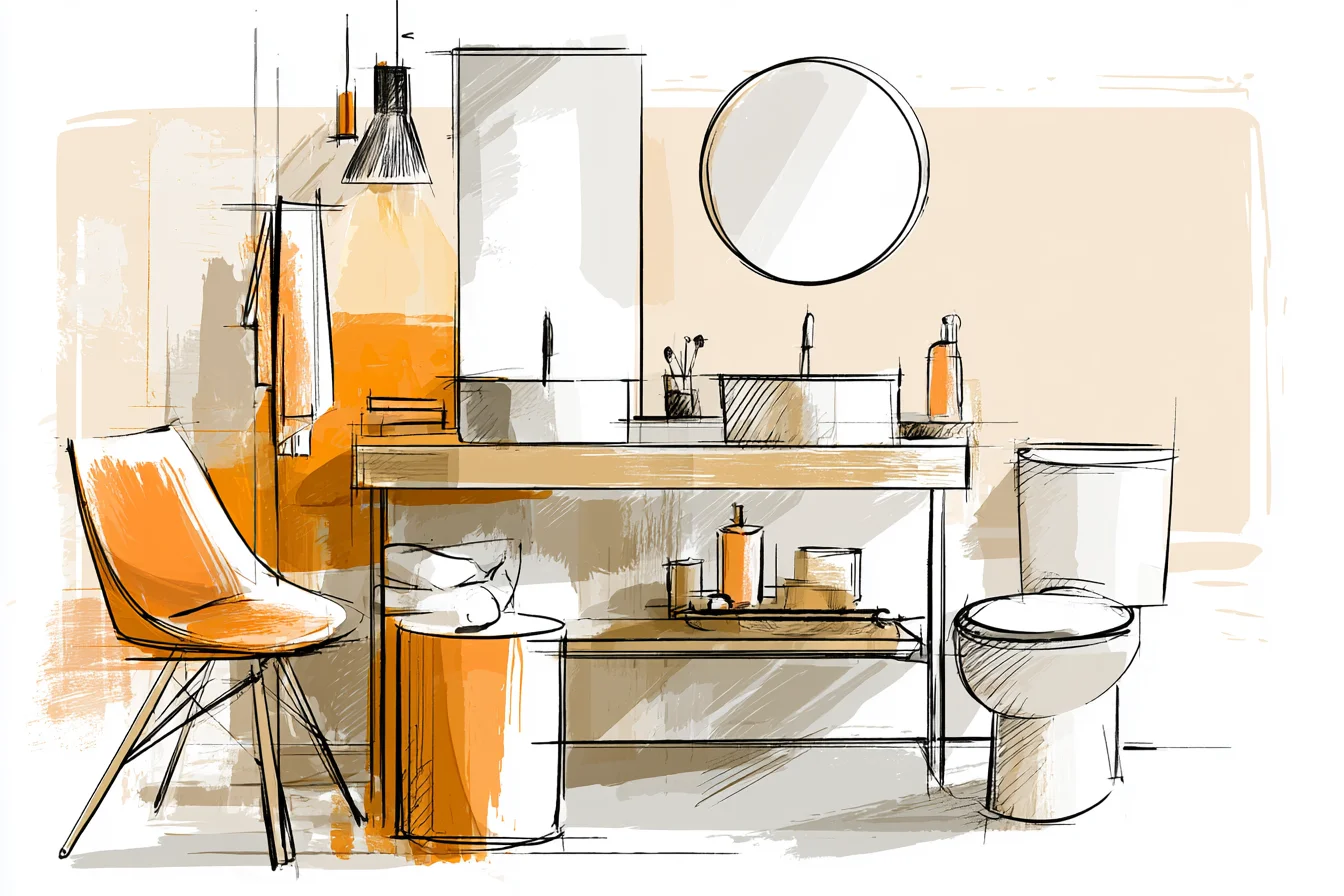
I paid around £2 per sq. ft. for the subway tiles. Yes, that is probably 100x less than the Langham spent on their marble slabs. I borrowed this idea from the Four Seasons in Edinburgh.
They used the same tile for the walls as they did for the shower niche, creating this seamlessness that opened up the space. I replicated that look by continuing my subway tiles into the little alcove where I keep my shampoo. It’s a tiny thing, but details like that make the entire room feel more intentional.
This was where I really had to get creative. Hotel bathrooms have the best overhead lighting and ambiance. What I couldn’t DIY?
Rewiring the dang things. Instead of trying to swap out the overhead lighting, I installed some LED strip lights on the back of my mirror (£30 on Amazon and super easy to hide) and replaced my builder basic light with this chic chrome fixture from a lighting warehouse. Together, they create soft, ambient glow that I remember from hotel bathrooms for a fraction of the price of hiring an electrician.
Storage was another lesson all on its own. While staying at the Soho House in London I marveled at how their floating vanities made the room feel more open even though the bathroom itself was small. Floating vanities are notoriously pricey, but I found one at IKEA that mounts on the wall and achieved a similar effect.
Having the space underneath your vanity make the bathroom feel larger and you can easily mop the floor. The biggest mistake I made was trying to copy too much. Early on in the renovations I painted my bathroom to match a hotel bathroom in Paris I loved.
Pale sage green walls with brass fixtures. It sounded lovely. It looked horrible.
Everything about my bathroom was wrong. The paint was too dark. The lighting wasn’t the same.
But honestly, what looks expensive in a fancy hotel in Paris won’t necessarily wow in a semi-detached halfway across the world. So I painted over it. Twice. (The second time was also a wrong colour).
Back to beige I went. But here’s the thing about hotel inspiration: sometimes it’s not about copying what you see. Copying that bathroom in Paris made me realise why the hotels always feel so expensive.
It wasn’t the sage green walls. It was that someone put money and thought into the small details. Oh, and I saved that brass.
I happened to find these gorgeous brushed-brass taps at a plumbing warehouse’s going out of business sale and they added just enough warmth to the room to keep it from feeling sterile.
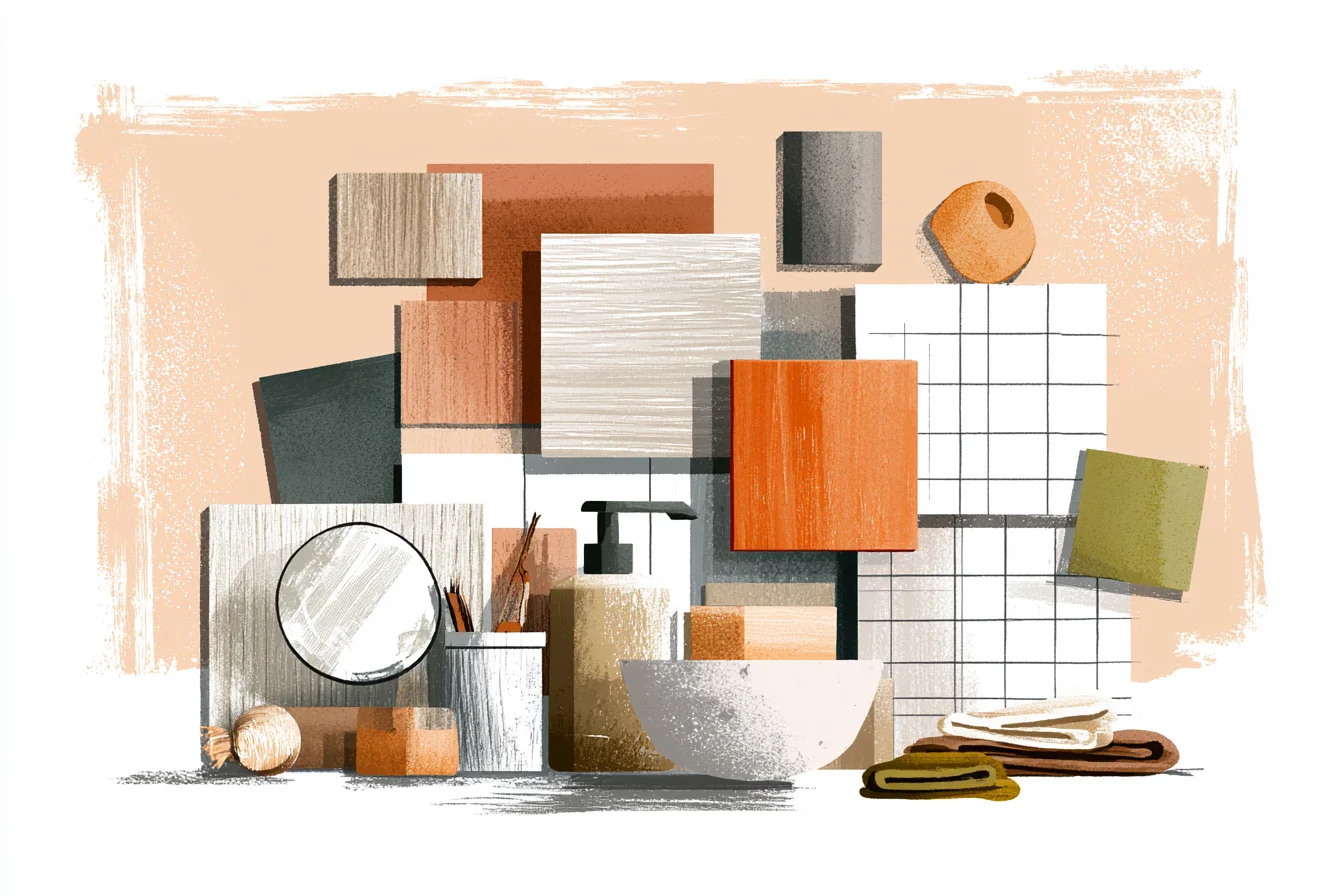
Hotel bathrooms always pick the perfect metal finishes and incorporate that balance of warm and cool tones in a way that feels intentional, rather than matchy-matchy. This became my shower conundrum.
I noticed that most hotel bathrooms seemed to have those huge rainfall showerheads but what I really noticed was where they placed them. I measured the space between the bottom of the showerhead and the base of the shower in hotel after hotel (yep, I am that girl) and found that they hang them about two inches lower than most showers are designed. It doesn’t sound like much, but that small difference completely changes how the water feels when it hits you.
I couldn’t splurge on a huge rainfall head, but I did find a smaller version that still gave that hotel quality feel. And of course I hung it at hotel height. In all, the renovation took me about six weeks and I ended up spending around £1200.
Which I’m sure is what you’d spend for one night at the Langham. But every time I step on my hexagonal bathroom tiles, I’m transported back to that hotel for a few seconds. Sometimes the best luxury is something you don’t have to take a holiday to enjoy.